

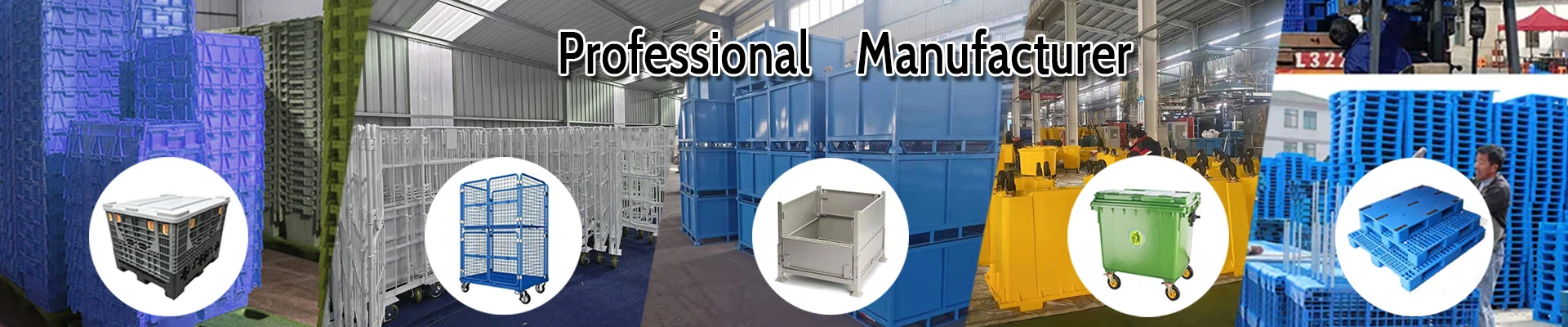
As a professional supplier of rackable plastic pallets, we understand that proper maintenance is critical to ensuring long-term performance, durability, and operational safety. Rackable plastic pallets are widely used across warehouses, logistics, and various industries due to their high strength, versatility, and cost-effectiveness.
To help you maximize your return on investment, we have compiled a systematic maintenance guide categorized into three core dimensions: Standardized Operations, Environmental Control, and Routine Upkeep.

Phase 1: Standardized Operations & Storage (Prevention at the Source)
1. Adhering to Load Capacities and Proper Handling
The lifespan of a pallet depends heavily on daily operational habits.
Avoid Overloading
Always strictly follow the manufacturer's guidelines regarding maximum dynamic, static, and racking load capacities. Ensure that goods are distributed evenly across the surface to avoid concentrated single-point pressure.
Correct Forklift Operation
Train operators to align forklift prongs properly before fully inserting them into the pallet openings. Never push, drag, or bulldoze pallets with forklift tines, as this causes severe structural damage to the edges.
Eliminate High-Impact Drops
Avoid dropping pallets from heights or stacking them with excessive force. Sudden impacts can cause internal structural fractures that compromise racking safety.
2. Strategic Stacking and Storage
Incorrect storage when pallets are out of service can lead to unnecessary warping or degradation.

1
Level Stacking
When stacking empty pallets, ensure the ground is flat. Stack them vertically and neatly to prevent tilting, which causes uneven weight distribution on the bottom pallets.
2
UV Protection
Store pallets indoors whenever possible. If outdoor temporary storage is required, use a protective cover. Prolonged exposure to direct sunlight (UV rays) accelerates plastic aging, making the material brittle.
Phase 2: Environmental & Status Control (Material Preservation)
3. Temperature and Humidity Management
While plastic pallets offer excellent weather resistance, extreme environmental conditions can still affect their physical properties.
Temperature Monitoring: Extreme heat can soften plastic materials, reducing their load-bearing capacity. Conversely, extremely low temperatures (such as in cold storage) can make plastic brittle. Take extra care during high-impact operations in these environments, or opt for specialized material blends designed for extreme temperatures.
4. Specialized Component Maintenance (If Applicable)
Design Note: Standard rackable plastic pallets are molded as a single piece and require no lubrication. However, if you are utilizing customized pallets equipped with built-in metal reinforcement bars, casters, or folding mechanisms, routinely check these moving parts and apply a plastic-compatible lubricant to ensure smooth operation.
Phase 3: Routine Inspection & Cleaning (Risk Mitigation)
5. Regular Safety Inspections
Establish a routine inspection schedule to catch potential hazards before they escalate.
Focus Areas: Periodically check corners, edges, and the main load-bearing runners for cracks, chips, or severe deformation.
Disposal Protocol: Once a structural crack is identified on a rackable pallet, it must be removed from circulation and replaced immediately to ensure high-altitude racking safety. Do not attempt to use DIY plastic repair kits, as structural integrity cannot be fully restored to safely support heavy racking loads.
6. Cleaning and Hygiene Control
Keeping pallets clean extends their service life and ensures compliance with modern supply chain hygiene standards.
Routine Washing: For everyday dust and debris, a simple wash with mild soap and water using a soft-bristle brush or sponge is sufficient. Rinse thoroughly to remove all soap residue.
Deep Decontamination: For stubborn stains, use a specialized plastic cleaner (always test on a small, inconspicuous area first). Regular cleaning prevents mold and mildew growth in humid environments, safeguarding hygiene in food and pharmaceutical supply chains.
Conclusion
Scientific maintenance not only keeps your rackable plastic pallets performing like new, but it is also a vital step in securing warehouse safety and lowering enterprise operational costs.
If you have any questions regarding pallet maintenance or are looking for high-quality warehouse pallet solutions, please feel free to contact us. Our team of experts is here to provide tailored consultation services for your business needs.


