

In logistics and warehousing, pallets are like the unsung heroes of moving and storing goods. The choice between plastic and wooden ones isn't just about picking a material-it affects your costs, how smoothly things run, and even your environmental footprint. Plastic and wooden pallets are the two big players here, and each brings its own perks to the table

1. Procurement Costs
Procurement cost is a primary consideration for enterprises when selecting pallets. Significant differences exist between plastic and wooden pallets in this regard.
- Wooden Pallets
Wooden pallets have become the preferred choice for logistics due to their multiple advantages. Firstly, wood is renewable, easily degradable, and in line with environmental trends; Secondly, the raw material cost is low and the processing technology is mature, with prices 30% -50% lower than plastic/metal trays. Its structure is sturdy, with a static load of up to 3-5 tons, and meets international freight standards (ISPM15) through fumigation treatment. The unique elastic structure can cushion transportation vibrations, and the built-in drainage gap adapts to humid environments. During maintenance, only partial board replacement is required, and the maintenance cost is only 20% of the new purchase price. Standardized design is compatible with various equipment such as forklifts and shelves, and can be customized in size
- Plastic Pallets
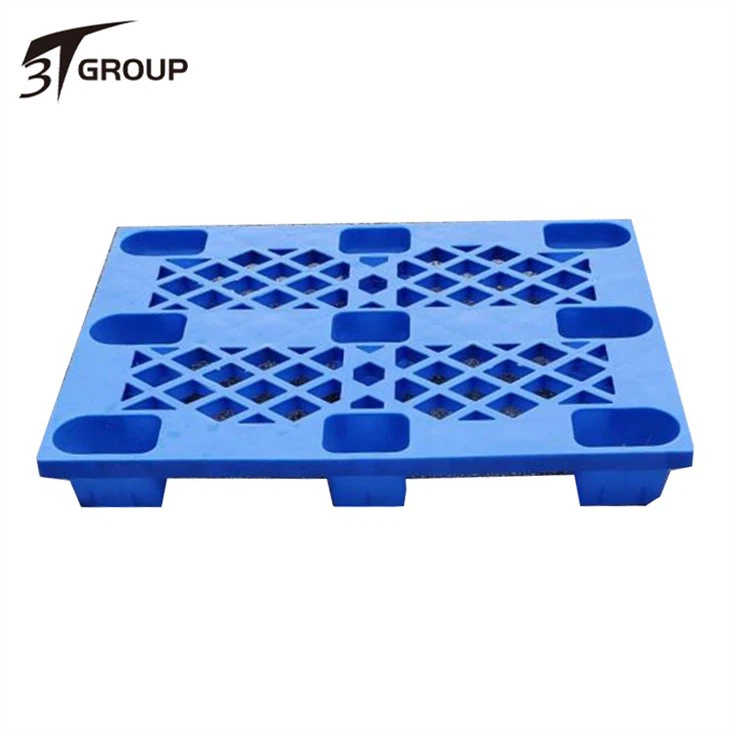
The initial procurement cost of plastic pallets is usually high,depending on size,static load ,dynamic load,rock load and production quality. For example, the cost of a grid plastic pallet may be between $8.2-15, while the cost of a heavy-duty double-sided plastic pallet can exceed $31. Pallets made from raw materials are more expensive than those made from recycled materials, and higher load capacity also increases costs.
Nevertheless, advances in polymer science and injection molding technology have reduced the production cost of plastic pallets. Recent data shows that due to fluctuations in raw material prices, efficiency improvements, and environmental policies, the price of plastic pallets has become comparable to that of wooden pallets.

2. Usage Costs
Usage costs include direct wear and tear as well as indirect losses from efficiency gaps.
- Wooden Pallets
The service life of wooden pallets is relatively short (about 1 year) because they are prone to corrosion, wear, and deformation, especially in harsh environments. Frequent replacement will increase long-term costs. In addition, their non foldable design takes up more storage space, increases rental costs, and the fragility during transportation also increases logistics costs.
- Plastic tray
The service life of plastic pallets is 5-8 years (5-7 times that of wooden pallets). They can resist corrosion, and deformation even under harsh conditions. Their foldability can reduce storage volume by 80% when idle, thus saving space. Their durability and impact resistance also improve cargo protection and logistics efficiency.
3. Maintenance Costs
Maintenance costs cover repairs, upkeep, and replacements.
- Wooden Pallets
Wooden pallets require regular maintenance due to wear and damage. Although the cost of individual repairs is not high, frequent maintenance and replacement can accumulate costs and disrupt operations. Labor intensive maintenance further increases costs.
- Plastic tray
Plastic trays are very durable, easy to clean (by wiping or disinfecting), and rarely require maintenance. Although the repair cost of damaged plastic pallets may be higher, their long service life and low replacement frequency can reduce overall maintenance costs. Local damage can usually be repaired through welding, thereby extending its service life.

4. Environmental Performance
- Wooden Pallets
Wooden pallets are made of renewable wood and are biodegradable. However, deforestation for production purposes may pose a threat to the ecology, and improper disposal of discarded pallets can result in waste.
- Plastic tray
Plastic pallets do not require fumigation, are easy to disinfect, and are recyclable. They have a longer lifespan and reduce resource consumption. However, the recycling process can be complex and costly. Trays made of PVC or recycled materials may contain toxins, posing a risk to the environment. Enterprises must prioritize environmentally friendly materials and recycling compliance


